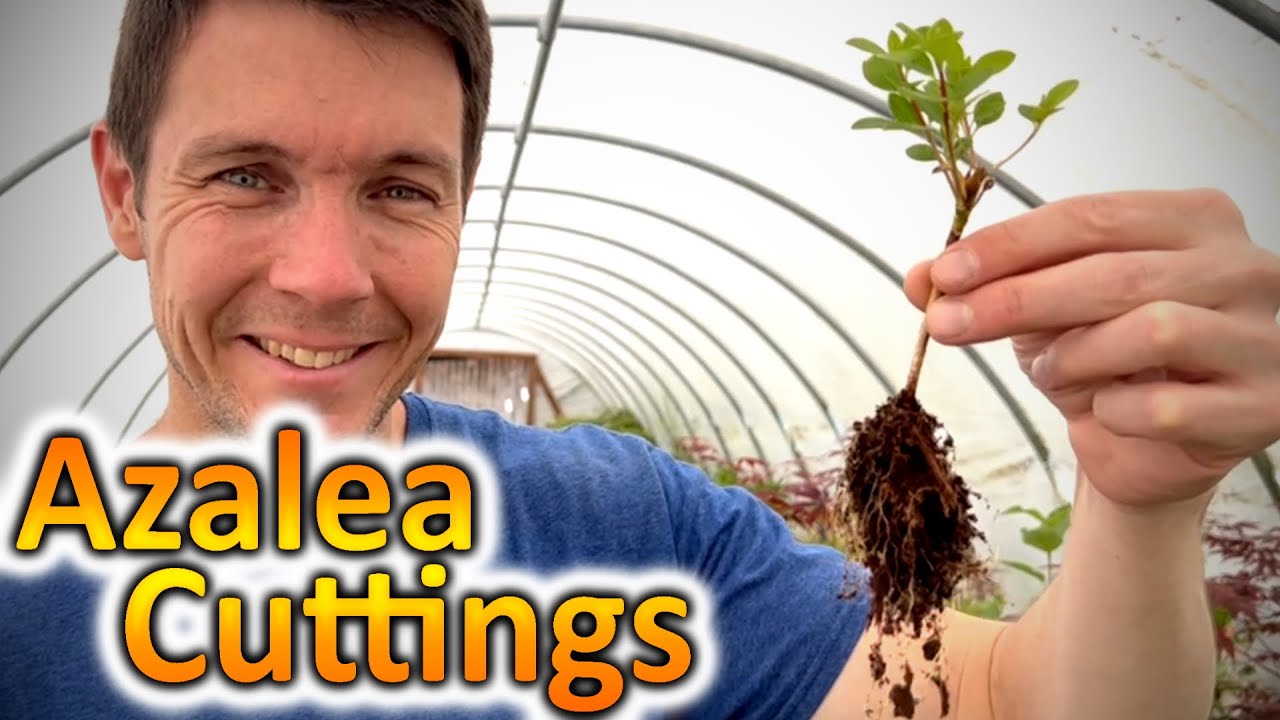
Unlock Your Garden's Potential: How To Propagate Azaleas from Cuttings
Azaleas are celebrated for their breathtaking spring blooms, transforming gardens into vibrant tapestries of color. While their beauty is undeniable, continuously purchasing new azalea plants can become an expensive endeavor. Fortunately, there's a highly rewarding and cost-effective method to expand your collection: propagating azaleas from cuttings. This guide will demystify the process, turning what might seem daunting into an easily achievable gardening triumph. Learning how to propagate azaleas from cuttings simply is a skill that will pay dividends in beauty for years to come.
Propagation through cuttings allows you to create genetically identical copies of your favorite azalea varieties, ensuring the new plants will display the same stunning characteristics as the parent. It's an excellent way to fill empty spaces in your landscape, share with friends, or simply multiply the joy these magnificent shrubs bring.
Gather Your Essentials: Tools and Materials for Success
Before you begin the exciting journey of propagating azaleas, gathering the right tools and materials will set you up for success. Having everything at hand ensures a smooth and efficient process.
- Sharp Pruning Shears or Knife: Essential for making clean, precise cuts on your parent plant. Cleanliness is paramount to prevent disease.
- Sterilized Blade or Scissors: For trimming and preparing the cuttings. Sterilize with rubbing alcohol or a 10% bleach solution between uses.
- Rooting Hormone: Available in powder, gel, or liquid form from most garden centers. This significantly increases the success rate of rooting.
- Small Pots or Biodegradable Cups: Approximately 3-4 inches in diameter. Biodegradable pots can reduce transplant shock later.
- Sterile Soilless Potting Mix: A lightweight, well-draining mix is crucial. Look for a blend of peat moss and perlite or vermiculite. This prevents fungal issues and promotes aeration.
- Pencil or Dibber: To create holes in the potting mix without scraping off rooting hormone.
- Watering Can with Fine Rose or Mister: For gentle watering and maintaining humidity.
- Clear Plastic Dome, Plastic Bag, or Mini Greenhouse: To create a humid environment around your cuttings, mimicking a greenhouse effect.
- Heating Mat (Optional but Recommended): Provides consistent bottom heat (around 70-75°F / 21-24°C), which greatly encourages root development.
- Gloves: To protect your hands, especially when handling rooting hormone.
The Step-by-Step Process: From Cutting to Planting
1. Choosing the Right Time and Cuttings
Timing is critical when learning how to propagate azaleas cost-effectively using cuttings. The optimal period is late spring to early summer, typically from May to July, when the azalea plant has produced new growth that is still somewhat flexible but not overly soft or woody. This stage is known as "semi-hardwood."
- Identify Healthy Stems: Look for vigorous, disease-free branches that have grown in the current season. Avoid any stems showing signs of pests, damage, or disease.
- No Buds or Flowers: Crucially, select stems that do not have flower buds or open blooms. Any energy diverted to flowering will come at the expense of root development.
- Semi-Hardwood Cuttings: Gently bend the chosen stem. If it snaps cleanly, it might be too woody. If it's too pliable and soft, it might rot easily. The ideal semi-hardwood will bend slightly before breaking.
2. Taking and Preparing Your Cuttings
With your clean, sharp tools in hand, it's time to take the cuttings. Precision and cleanliness here significantly impact success rates.
- Making the Cut: Use your sharp pruning shears to take stem cuttings approximately 4-6 inches in length. Aim for a cutting with at least three to four sets of leaves.
- Remove Lower Leaves: Carefully strip off all leaves from the bottom 2-3 inches of the cutting. These leaves would otherwise be buried in the soil, where they would rot and potentially introduce diseases.
- Diagonal Base Cut: Using your sterilized blade or scissors, make a fresh, clean diagonal cut at the very bottom of the stem, just below a leaf node (the point where a leaf was attached). A diagonal cut increases the surface area for root absorption and helps prevent waterlogging.
- Reduce Leaf Surface Area (Optional but Recommended): If the remaining leaves at the top are very large, you can cut them in half horizontally. This reduces transpiration (water loss) while still allowing photosynthesis to occur, conserving the cutting's energy for root production.
3. Applying Rooting Hormone
Rooting hormone is a powerful aid that significantly boosts the chances of your cuttings developing roots. It contains auxins, plant hormones that stimulate cell division and root formation.
- Prepare the Hormone: If using powder, pour a small amount into a separate, clean container (e.g., a paper plate). This prevents contamination of your main supply.
- Dip the Cutting: Dip the freshly cut, bottom end of each azalea cutting into the rooting hormone. Ensure the entire bottom 1-2 inches of the stem is thoroughly coated.
- Tap Off Excess: Gently tap the cutting to remove any excess powder. Too much hormone can sometimes inhibit rooting.
4. Planting Azalea Cuttings in Soil
Now, it's time to introduce your prepared cuttings to their new home.
- Prepare Pots: Fill your small pots or biodegradable cups with the sterile soilless potting mix, leaving about an inch of space from the rim. Lightly moisten the mix before planting.
- Make Planting Holes: Use a pencil or dibber to create a hole in the center of the potting mix, deep enough to accommodate the hormone-coated section of the cutting without scraping off the powder.
- Insert Cuttings: Gently insert one treated cutting into each hole. Avoid pushing too hard, which can damage the tender stem or remove the rooting hormone.
- Firm the Soil: Lightly firm the soil around the base of each cutting to ensure good contact between the stem and the potting mix. This is crucial for moisture absorption and stability.
- Initial Watering: Water the pots thoroughly but gently. The goal is moist, not waterlogged, soil. A fine spray mister or a watering can with a fine rose attachment works best.
Creating the Ideal Environment: Care for Your Cuttings
The first few weeks are critical for root development. Providing the right conditions will maximize your success.
- Warmth is Key: Azalea cuttings thrive in warm conditions. Aim for a consistent ambient temperature of around 70-80 degrees Fahrenheit (21-27°C). A heating mat placed under the pots can be incredibly beneficial for bottom heat.
- Maintain High Humidity: This is perhaps the most important factor. Cuttings lack roots to absorb water, so high humidity prevents them from drying out. Place a clear plastic dome over the pots, or enclose them in a clear plastic bag. Ensure the plastic doesn't touch the leaves directly by using stakes if needed. Open the dome/bag for an hour daily to allow for air circulation and prevent fungal growth. Misting the leaves regularly (once or twice a day) can also help.
- Bright, Indirect Light: Position your cuttings in a location that receives bright, indirect sunlight. An east-facing window is often ideal. Direct, harsh sunlight can scorch the tender leaves and dry out the cuttings.
- Consistent Moisture: Keep the soilless mix consistently moist but never soggy. Check the soil daily and water only when the top layer starts to feel dry to the touch. Overwatering can lead to rot.
- Patience is a Virtue: Rooting can take time. Azaleas typically take anywhere from 4 to 12 weeks to develop a strong root system. Resist the urge to pull them out prematurely to check for roots.
The Grand Finale: Transplanting Rooted Cuttings
After several weeks of careful nurturing, your azalea cuttings should be ready for their next big step.
- Checking for Roots: After approximately 4-6 weeks (though it can be longer for some varieties), you can gently check for root development. Carefully tug on a cutting. If you feel resistance and the cutting doesn't lift easily from the soil, it indicates successful rooting. You might even see small white roots through the drainage holes of the pot.
- Hardening Off: Before transplanting into larger pots or directly into the garden, it's crucial to "harden off" your new azaleas. This process gradually acclimates them to outdoor conditions. Over a week or two, gradually increase their exposure to cooler temperatures, lower humidity, and more direct sunlight. Start by opening the plastic dome for longer periods each day, then move them to a sheltered outdoor spot for increasing durations.
- Transplanting: Once hardened off, your rooted azalea cuttings are ready for a bigger home. You can transplant them into larger pots filled with a good quality potting mix (suitable for acid-loving plants like azaleas) or directly into a prepared garden bed. Ensure the planting site offers appropriate light and well-draining, acidic soil.
- Continued Care: Young azaleas will need consistent watering and protection from extreme weather during their first year.
Conclusion
Propagating azaleas from cuttings is a deeply satisfying and surprisingly straightforward way to expand your garden and enjoy more of these magnificent flowering shrubs without the expense of purchasing new plants. By following these easy steps – from selecting healthy cuttings and providing the right environment to patiently nurturing them until they root – you can create a vibrant, thriving azalea collection. Remember to use sterilized tools and provide warmth, consistent moisture, and high humidity, and you'll be well on your way to success. Embracing the journey of how to propagate azaleas simply offers not just new plants, but a profound connection to the growth and beauty in your own backyard.